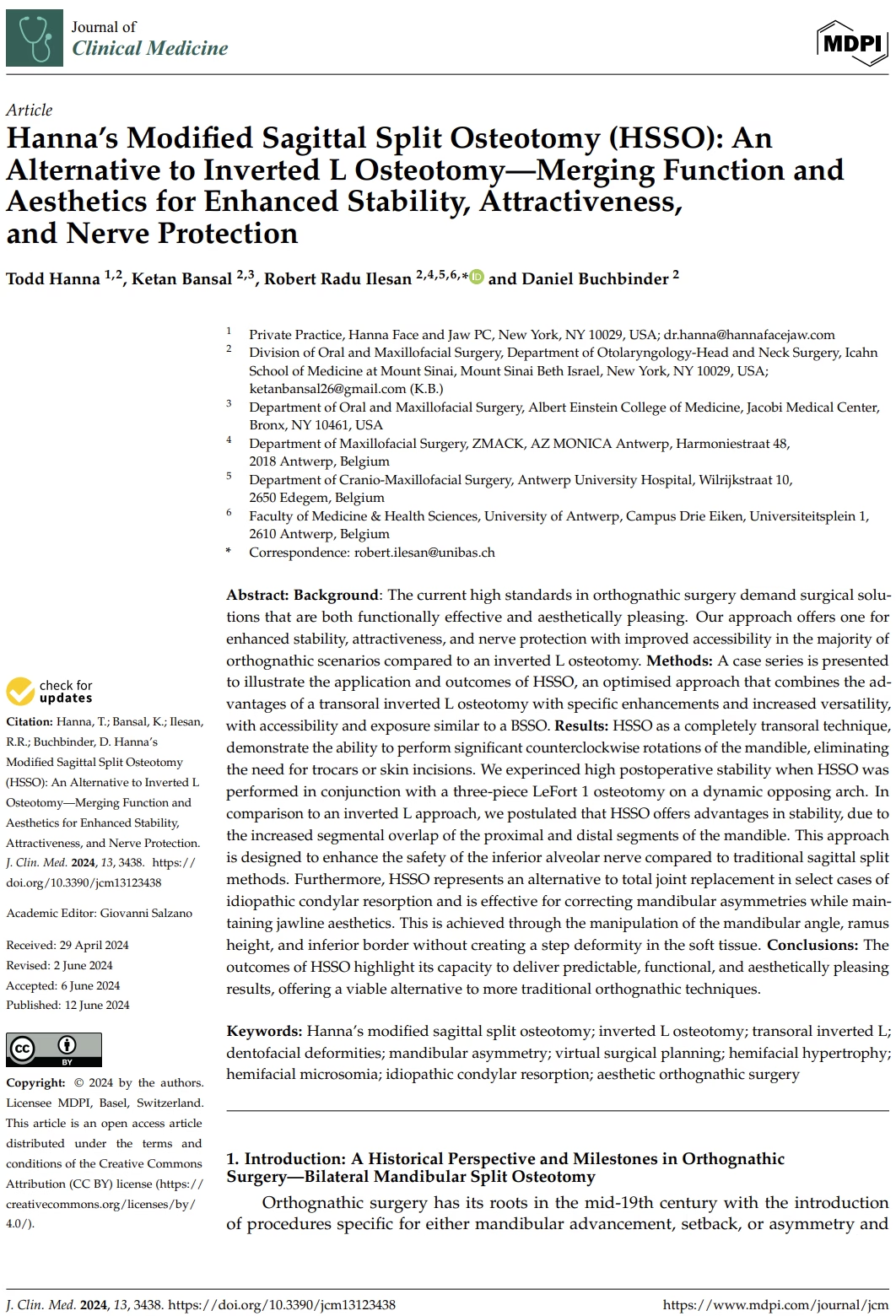
Dr. Hanna’s Modified Sagittal Split Osteotomy (HSSO) Technique

What is the HSSO Technique?
Dr. Hanna developed the Hanna Modified Sagittal Split Osteotomy (HSSO) as an alternative the typical lower jaw osteotomies (BSSO and Inverted-L), in select cases. The two types of patients that benefit from the HSSO are patients with a high mandibular plane angle (short ramus and steep jaw, with recessed chin) and patients with asymmetries at the jawline and gonial angle where one side is longer or shorter (eg condylar hyperplasia).
In the first case of high mandibular plane angle, the HSSO allows the jawline to be rotated and advanced without creating a step the way a BSSO would in this type of movement. It also allows better bone contact and, in our experience, better stability than an Inverted-L in these cases.
In the second case of an asymmetry of gonial angles, the HSSO allows us to lengthen or shorten the ramus height without needing to reduce the inferior border or add an implant.
For many cases a traditional (Epker) or an oblique BSSO is appropriate, such as for more straightforward anterior movements. Some cases require different osteotomy designs for each side. The geometry of the bone cut is dependent on the baseline anatomy and the desired movement, in order to achieve the best contour esthetics and stability possible.
Patient Results
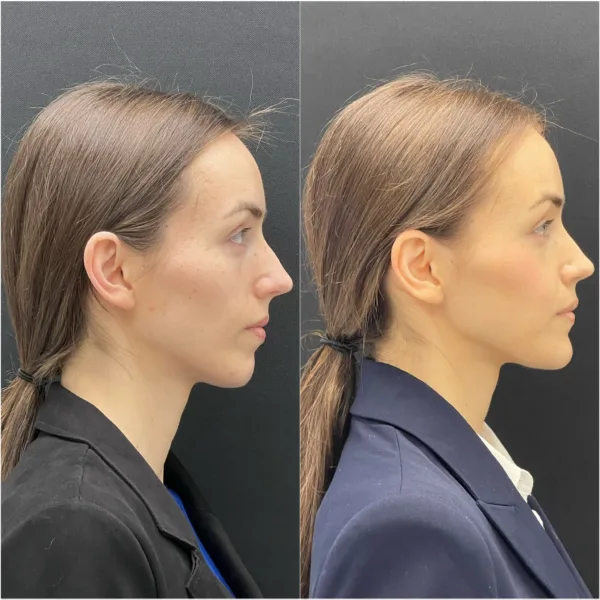
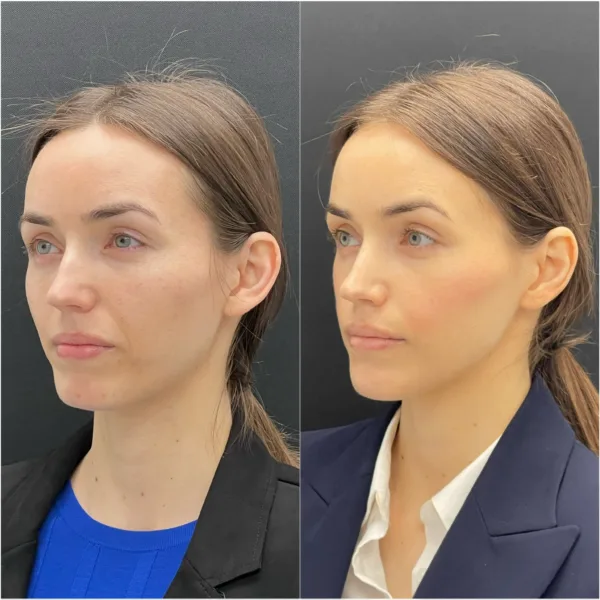
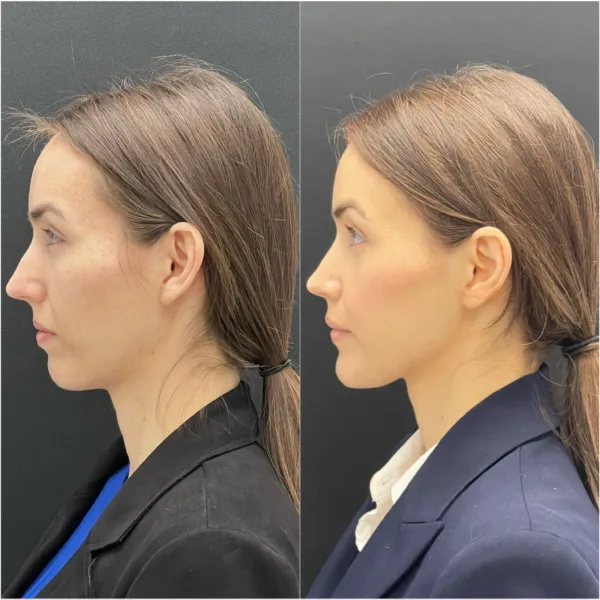
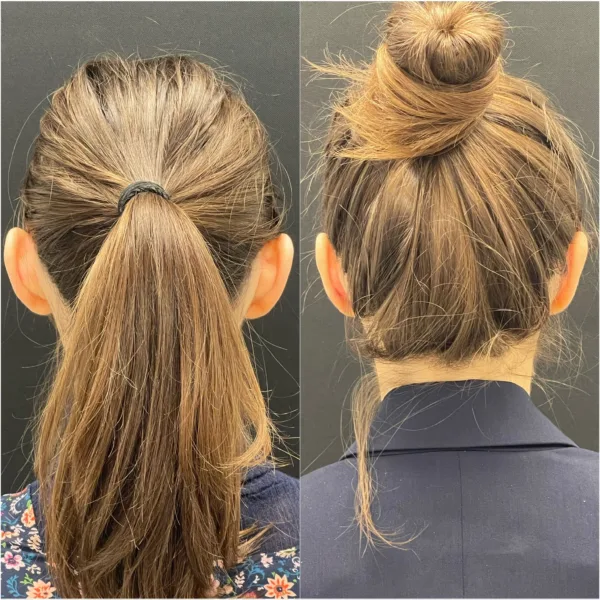
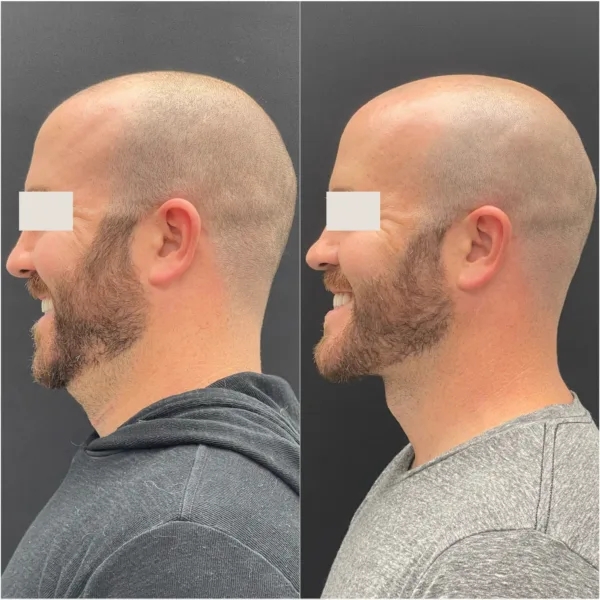
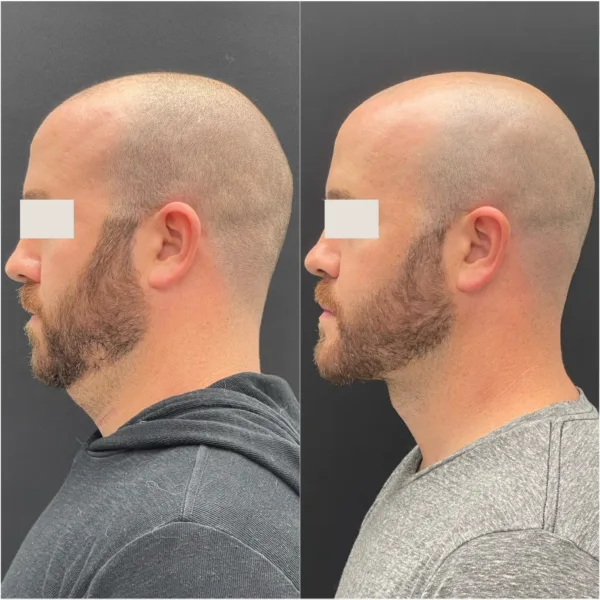
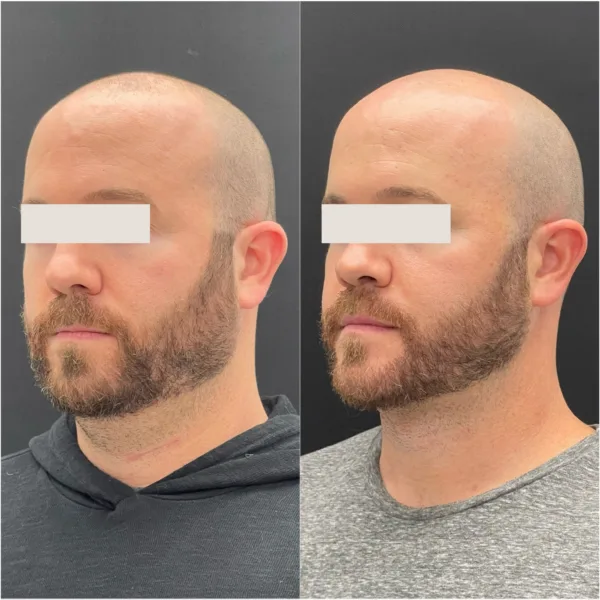
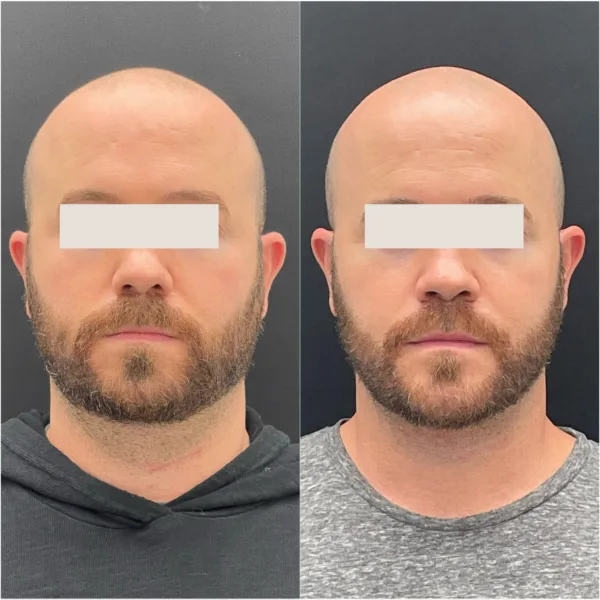
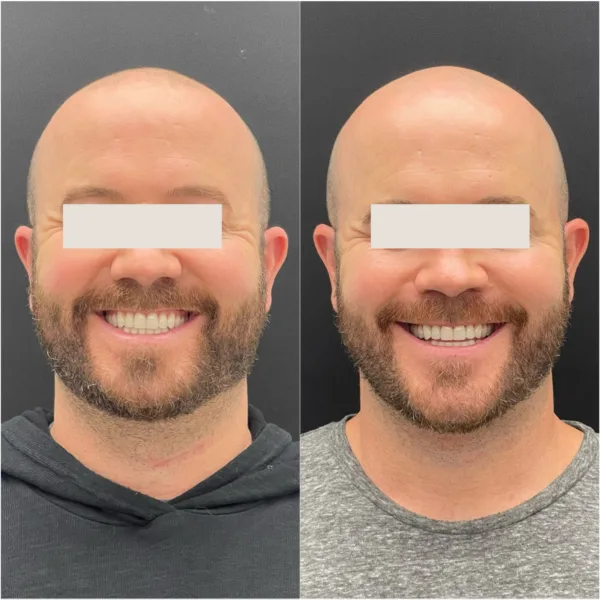
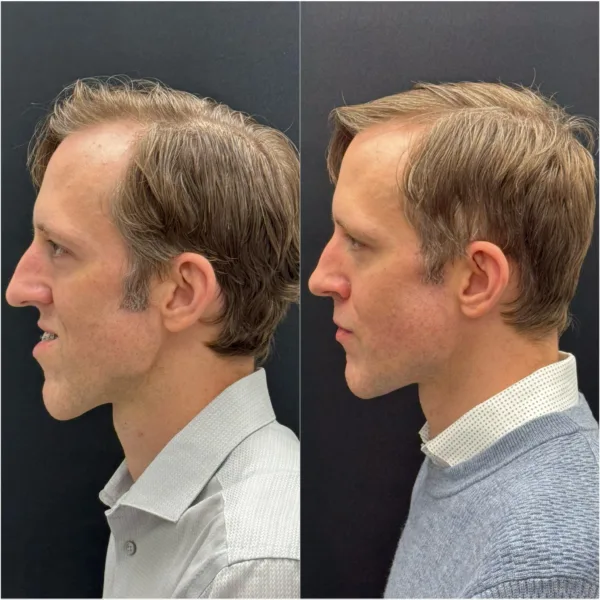
View before and after photos of our patients who had this procedure.